

:max_bytes(150000):strip_icc():format(jpeg)/TAL-lead-argentina-el-calafate-ALISTPOSTERIC1025-5e16d004b6b84fbd8793c842892e4eb8.jpg)
For travelers drawn to the ends of the earth, Patagonia offers a raw, dramatic expanse of wilderness split between Chile and Argentina. Though both countries share this windswept region of glaciers, granite spires, and wide open spaces, the experience on each side are distinct—shaped by landscapes, seasons, and style of travel. As someone who plans trips to Patagonia for a living, here are my best tips for picking between the two—or visiting both.
Chilean Patagonia
Jeffrey Kieffer/Tierra Patagonia
The Chilean side of Patagonia is rugged, green, and full of new national parks. It’s known for its wild fjords, temperate rainforests, and dramatic peaks like those in the world-famous Torres del Paine National Park. Unlike Argentina’s open steppes, Chilean Patagonia hugs the Pacific coast and is carved by glacial valleys covered in with dense vegetation. For iconic treks like the W or O Circuit and for dramatic granite peaks and glacial lakes, the Chilean side—especially Torres del Paine—is unbeatable. But the weather here is often unpredictable— a single day can feel like all four seasons.
In 2018, Chile expanded its national park system, adding four major parks across varied climates and terrains: Patagonia National Park and Melimoyu National Park in Aysén, Pumalín Douglas Tompkins National Park in Palena, and Cerro Castillo National Park near Coyhaique. These newer parks offer excellent hiking, wildlife watching, and fewer crowds than Torres del Paine. Visit during the summer months, November through March, or during October or April for fewer crowds.
Notable stays include Keep an eye on Patagonia and Explora Patagonia, both luxury lodges in Torres del Paine, and Estancia Cerro Guido, which offers a genuine estanciaor cattle ranch, experience.
Argentine Patagonia
Estancia Cristina Lodge
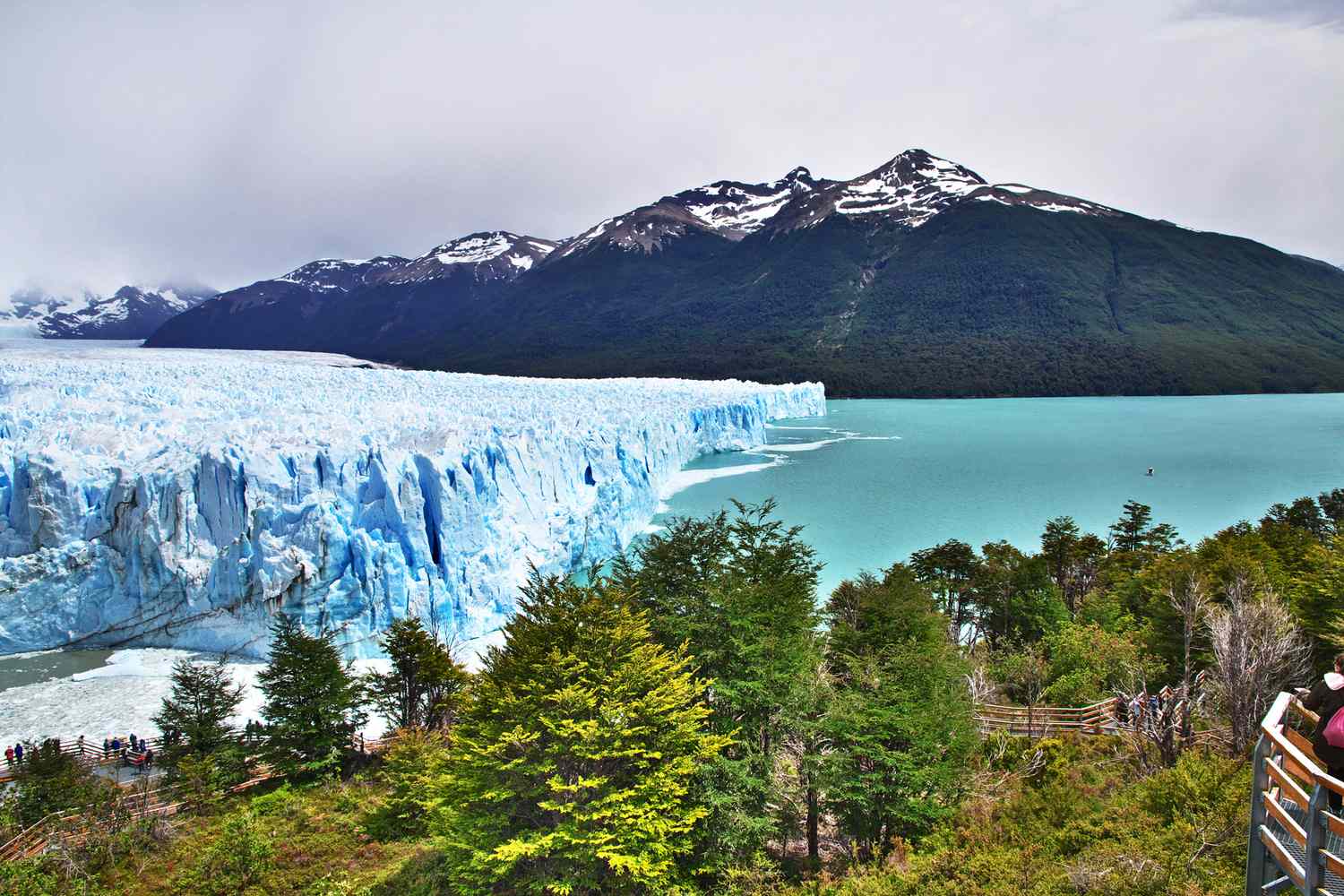
The Argentine side is vast and sunny. There, Patagonia stretches out into wide skies, windswept pampas, turquoise lakes, and towering ice fields. Glacier trekking expeditions near Perito Moreno are only available on this side. The region’s main hubs—El Calafate, El Chaltén, and Bariloche—offer more developed infrastructure and year-round accessibility.
El Calafate serves as the jumping-off point for Perito Moreno Glacier, one of the few advancing glaciers in the world, while El Chaltén is known as Argentina’s hiking capital, with access to some of the continent’s best day hikes, including trails to Mount Fitz Roy. Finally, Bariloche, located farther north in the Lake District, offers year-round adventure options, from trekking and kayaking to skiing in winter.
Visit between October and April, which is the region’s spring and summertime. For a luxury experience on an expansive property, stay at the 17-room EOLO Patagonia’s Spirit near El Calafate, and for a remote estancia stay in Los Glaciares National Park, head to Estancia Cristina.
Both Sides
tupatu76/iStockphoto/Getty Images
A combination of both Chilean and Argentine Patagonia offers the most diverse lanscapes, from rainforests to glaciers. It can take at least two weeks to truly get a sense of each region, but it’s worth it. If you’re also considering nearby destinations like the Atacama Desert or Iguazú Falls, extend your trip accordingly—by at least three days. If you still have time to spare, consider crossing the Andes Mountains mid-journey for the ultimate adventure.
Eric Sheets is a member of Travel + Leisure’s A-List and specializes in Galápagos Islands and Patagonia trips. You can create a tailor-made itinerary with Sheets by contacting him at (email protected).